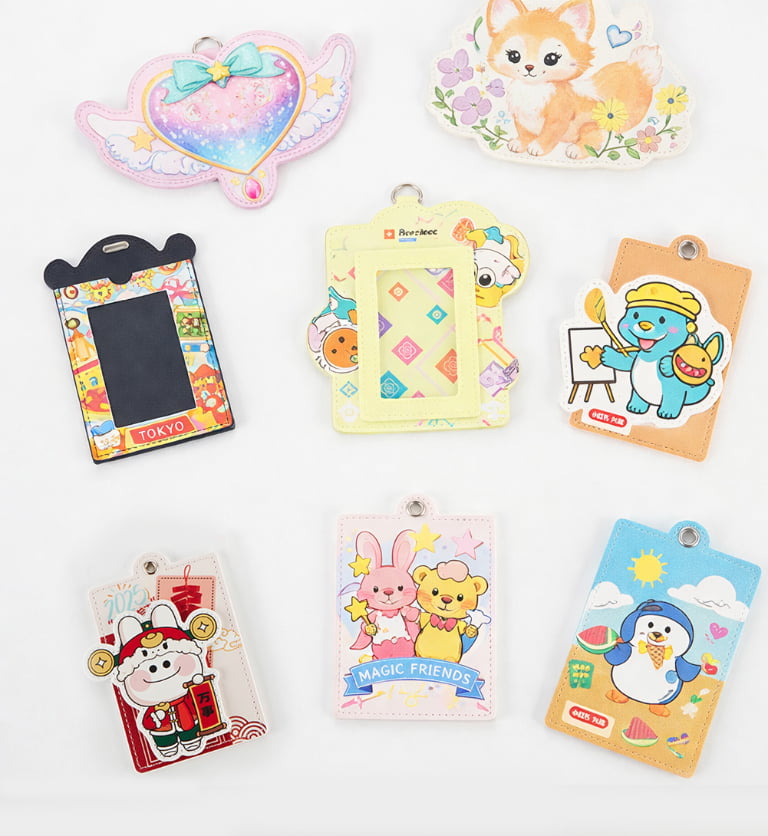
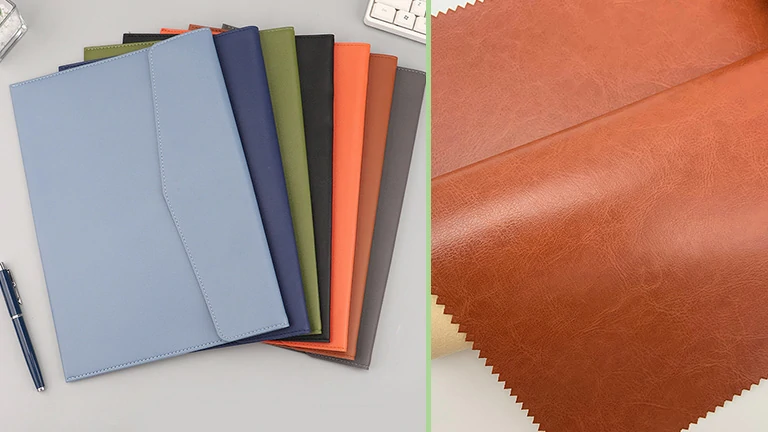
Choosing the wrong material for a custom leather card holder can create problems later. I often see buyers focus on price first, then face complaints about wear, feel, or compliance after production starts.
If I need to choose a material for a custom leather card holder, I usually compare four options first: top-grain genuine leather, split leather, microfiber leather, and standard PU leather. The right choice depends on service life, project positioning, budget, and compliance expectations.
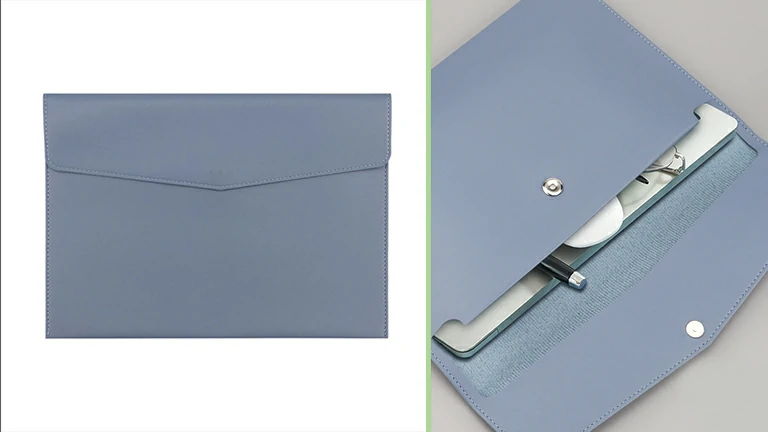
When I discuss material options with buyers, I do not only talk about appearance. I also look at how long the product is expected to last, how the material supports the brand image, and whether the supply chain can support compliance requirements. In many projects, material choice decides not only cost, but also how the finished card holder feels in the hand and how well it performs in real use.
What Are the 4 Main Material Options for Custom Leather Card Holders?
Many buyers hear product names like genuine leather, microfiber leather, or PU leather, but they do not always know what these options mean in actual product development. That is where wrong expectations often begin.
The four main material options I usually discuss for custom leather card holders are top-grain genuine leather, split leather, microfiber leather, and standard PU leather. Each one fits a different balance of durability, image, cost, and sourcing requirements.
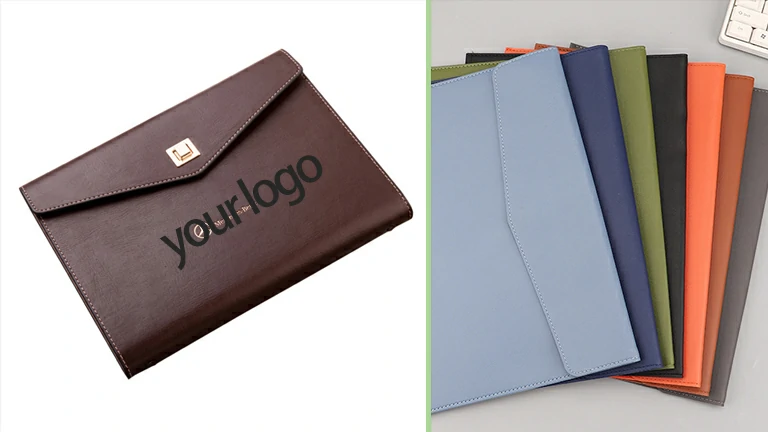
From a factory point of view, these four materials are not just different names. They behave differently in production, feel different in the hand, and suit different buyer goals. Some buyers want a premium brand image. Some want a practical material for promotions. Some want a non-animal material with stronger performance than standard PU. That is why I think material choice should be discussed early, not left until sampling starts.
Top-grain genuine leather
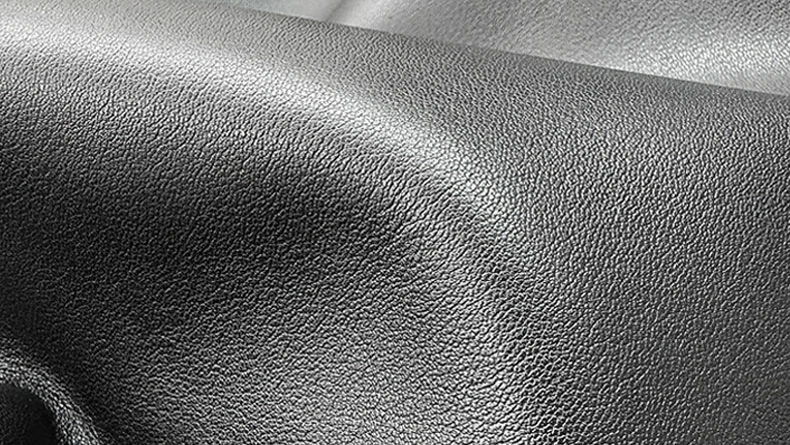
Top-grain genuine leather is usually the premium option in this group. It has a stronger natural leather identity, better long-term value, and a more established premium image for branded projects. Buyers who want a higher-end feel often start here.
Split leather
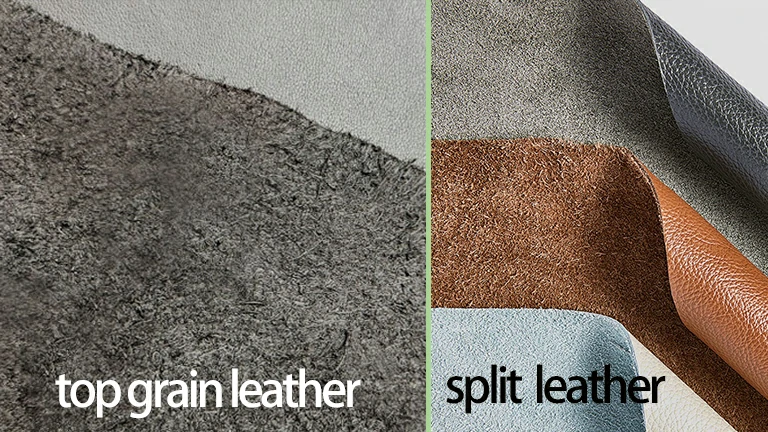
Split leather is still a genuine leather option, but it sits in a more cost-sensitive position. It can work when buyers want a genuine leather story at a lower budget level. Still, I think buyers should evaluate sourcing, finishing quality, and consistency more carefully with this material.
Microfiber leather
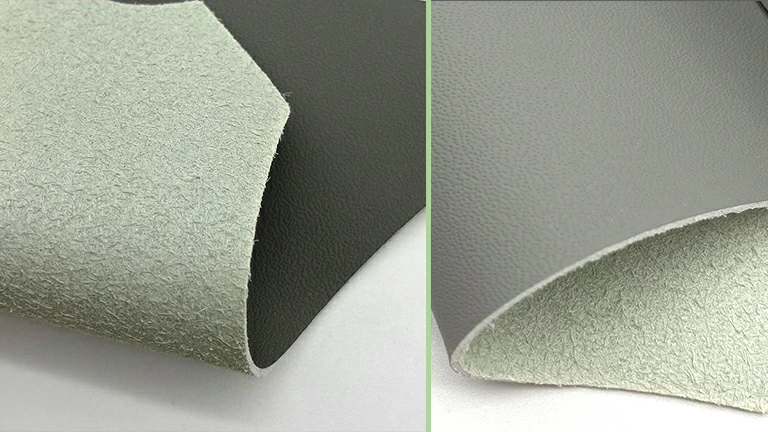
Microfiber leather is often the most misunderstood option. It can perform very well, but quality level matters a lot. Low-cost microfiber and higher-grade microfiber do not behave the same way in durability, touch, or long-term stability. This is why I never like to discuss microfiber leather as if it were one single standard material.
Standard PU leather
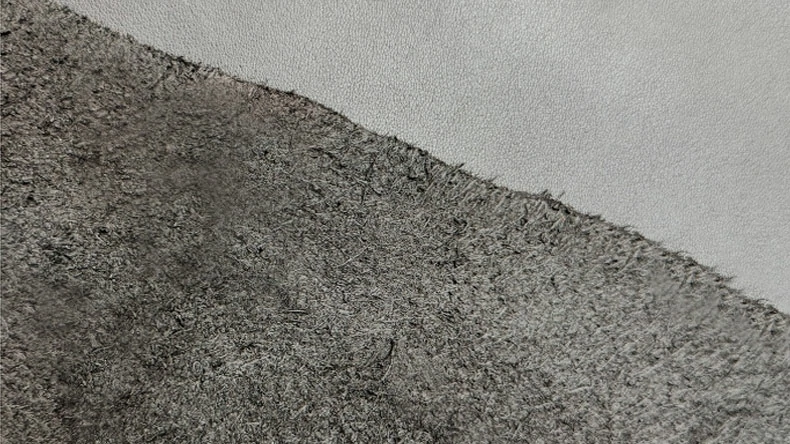
Standard PU leather is usually the practical choice for budget-driven projects, promotional programs, and shorter product lifecycles. It is widely used because it is flexible in cost, color, and finish. It can also work well for many custom card holder programs when the buyer wants controlled budget and clear visual presentation.
How Long Does Each Material Last in Real Use?
Buyers often ask me a simple question. They ask which material lasts longer. This question matters because service life affects repeat orders, brand image, and end-user satisfaction.
In general use, I usually describe these materials this way: top-grain genuine leather around 10 years, split leather around 5 years, microfiber leather around 5 to 10 years, and standard PU leather around 3 years. Real performance still depends on material grade, construction, and use conditions.
| Material | Typical Service Life | General Positioning |
|---|---|---|
| Top-grain genuine leather | Around 10 years | Premium and long-term use |
| Split leather | Around 5 years | Cost-sensitive genuine leather projects |
| Microfiber leather | Around 5–10 years | Mid to premium non-animal material projects |
| Standard PU leather | Around 3 years | Budget-driven and promotional projects |
The part buyers should not miss is microfiber leather. I list it as 5 to 10 years because the gap between low-end and high-grade microfiber is real. In the market, many factories use very low-cost microfiber to keep prices down. That kind of material may not deliver the performance buyers expect. Better microfiber leather usually costs much more, but it also gives stronger stability, better hand feel, and better long-term performance. So if a buyer wants microfiber leather, I think the next question should always be: what grade are we talking about?
How Do Top-Grain Leather, Split Leather, Microfiber Leather, and PU Leather Compare?
Material names alone do not help a buyer make a decision. A better way is to compare these four options in terms of image, feel, expected use, and project fit.
Top-grain leather is usually best for premium positioning, split leather works for lower-budget genuine leather projects, microfiber leather can offer strong balance when quality is high, and standard PU leather is practical for budget-sensitive custom programs.
| Material | Look and Feel | Cost Level | Best For | My Practical View |
|---|---|---|---|---|
| Top-grain genuine leather | Natural, premium, more authentic leather feel | High | Premium brand projects and long-term use | Best when brand image and product life matter most |
| Split leather | Genuine leather base with more cost pressure | Mid | Projects that want genuine leather at lower cost | Needs more careful sourcing and finishing review |
| Microfiber leather | Can be smooth, refined, and performance-driven | Mid to high | Higher-grade non-animal material programs | Very dependent on material quality level |
| Standard PU leather | Flexible in finish, practical, cost-friendly | Low to mid | Promotions, retail projects, and shorter lifecycles | Good when budget and appearance matter more than long life |
If a buyer wants a slim and cost-effective option for retail accessories, daily use, or promotional branding, a minimalist PU leather card holder with slim one-piece structure can be a very practical reference point. It shows how PU leather can still work well when the project needs controlled cost, clean structure, and custom branding flexibility.
In many real projects, the best material is not the most expensive one. It is the one that matches the product goal. If the project is meant for premium gifting, top-grain leather usually makes more sense. If the target is a large promotional order, standard PU leather may be the better choice. If the buyer wants a stronger non-animal alternative, better-grade microfiber leather can become a very competitive option.
What Should Buyers Know About Environmental Compliance and Material Sourcing?
Some buyers only ask whether a material is genuine leather or PU. I think that question is too small. A better question is whether the supply chain can support the compliance and sourcing requirements behind that material.
Environmental compliance should not be assumed only from a material name. Buyers should also check supplier documents, testing support, and sourcing transparency. This is especially important when the project has export, retail, or brand compliance requirements.
I want to point out one issue clearly. Split leather can be more difficult to manage in a consistent traceability and sourcing framework in some supply chains. That does not mean every split leather program is unacceptable. It means buyers with stricter compliance or environmental requirements should ask more questions and request more supporting information before confirming the material.
For buyers who care about environmental and sourcing standards, it helps to understand how the leather industry treats traceability and verification. The Leather Working Group explains why traceability matters in the leather supply chain. LWG also describes its chain of custody approach for more credible product claims. For testing and compliance support, SGS provides testing, inspection, and certification services for footwear and leather products, and SGS also outlines REACH support services for ongoing compliance needs. For material certification language, the OEKO-TEX LEATHER STANDARD documentation also shows how leather materials and leather fibre boards are treated in a recognized certification framework.
From my side, I think the safer message is this: top-grain leather, qualified microfiber leather, and compliant PU leather can all be workable choices for projects with compliance expectations, but the final answer should still come from real documentation, material testing, and supplier management. That is the level buyers should look at if they want fewer surprises later.
Which Material Should I Choose for My Custom Leather Card Holder Project?
Too many options can slow down a project. Buyers often know what they want the product to look like, but they are not always sure which material matches that goal best.
If I need a quick decision, I usually choose top-grain leather for premium image, split leather for lower-budget genuine leather positioning, microfiber leather for stronger non-animal performance when grade is high, and standard PU leather for practical cost control and promotional use.
If the project is for a premium corporate gift or long-term branded accessory line, I would lean toward top-grain leather first. If the project needs a lower genuine leather entry point, split leather may still be considered, but I would review the sourcing side more carefully. If the project needs a non-animal option with stronger durability potential, I would look seriously at higher-grade microfiber leather. If the project is promotional, retail-oriented, or budget-driven, standard PU leather is often the most practical choice.
In the end, material selection is not only about what sounds better in a quote sheet. It is about what fits the buyer’s market, use cycle, and compliance needs. That is why I think a good supplier should not just list four materials. A good supplier should help the buyer understand what each one really means in production and in real use.
Conclusion
The best material for a custom leather card holder depends on product positioning, expected service life, budget, and compliance needs. A better choice at the start usually saves more cost later.