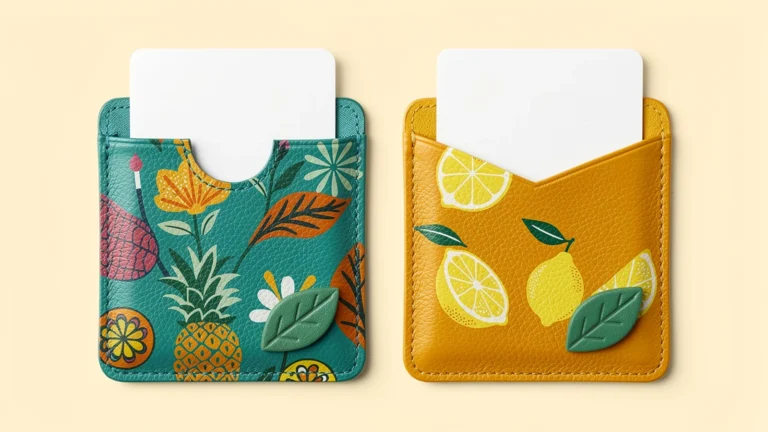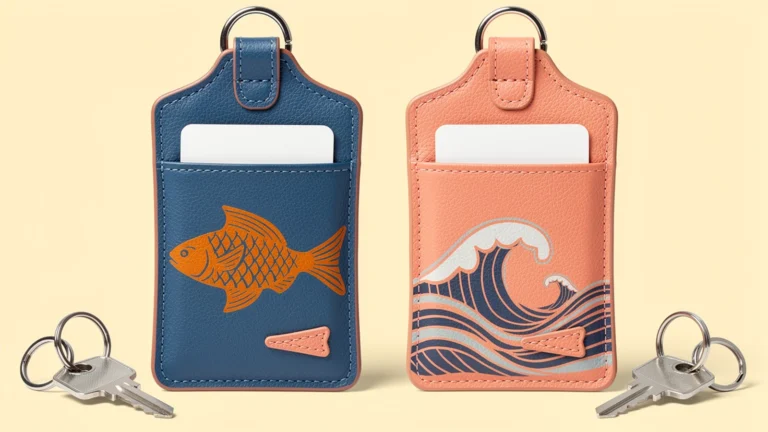
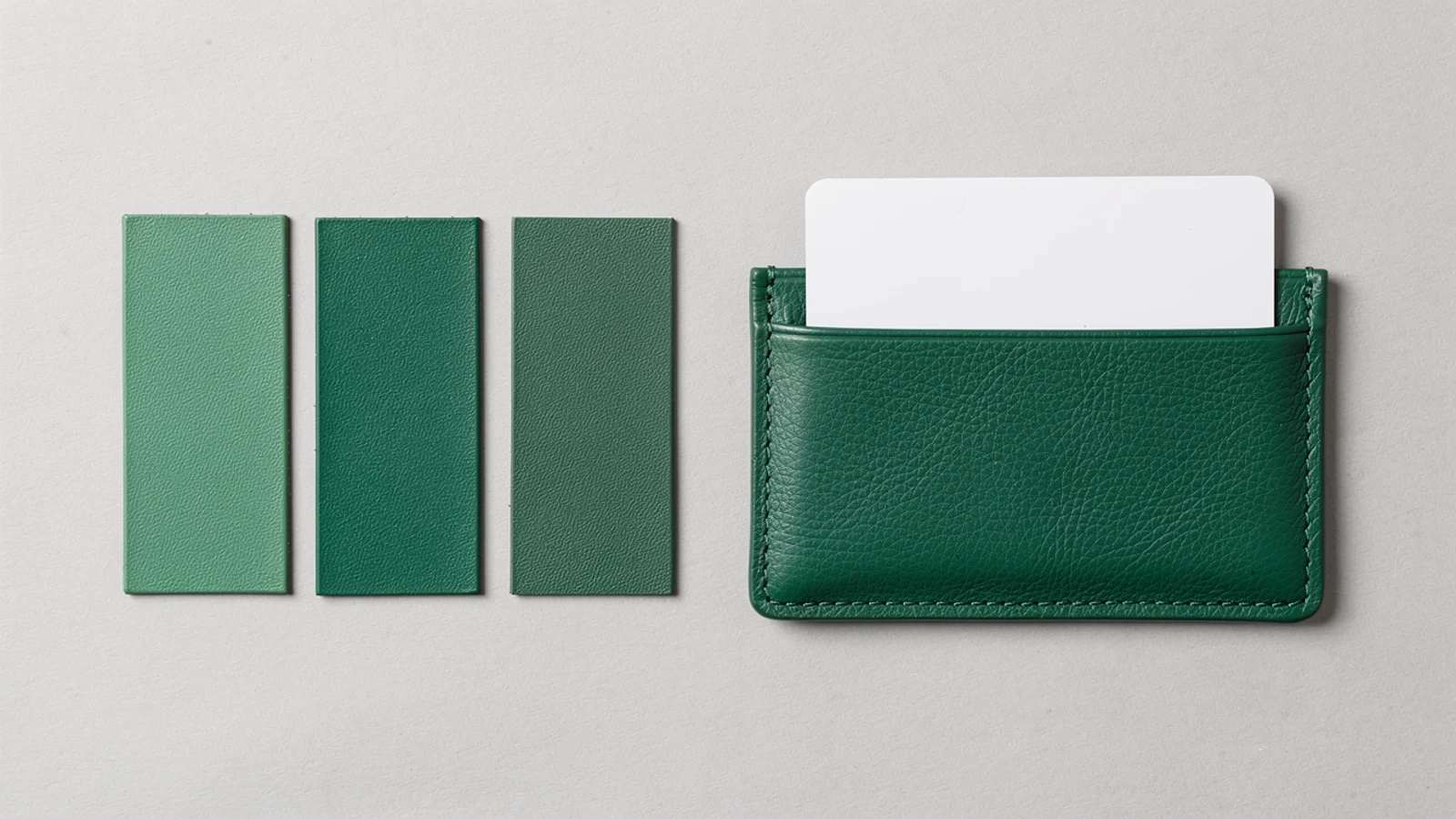
Images are AI-generated concepts, not verified Xinchao product or packaging specifications.
Leather card holder color matching works best when buyer and supplier agree on one physical reference, the actual material and the conditions for reviewing it. A color name or a screenshot can begin a conversation, but it should not be the only basis for approving a bulk order.
For buyers developing custom leather card holders, the goal is to turn “our brand green” into a decision that both sides can repeat. Identify which component needs to match, select the controlling reference and approve a sample in the intended finish. Then record what that approval covers—and what it does not.
Decide what needs to match
Start with the reason the color matters. A holder for a coordinated employee kit may need to look consistent beside a lanyard. A retail collection may need its own distinctive shade. A promotional order may prioritize the logo color while allowing a stock body color.
Those are different briefs. Do not use “match the brand color” as a single instruction covering the body, thread, edge finish, logo and packaging. Name each visible component and specify whether it needs a particular reference, a coordinated appearance or a deliberate contrast.
| Component | Useful instruction | Approval question |
|---|---|---|
| Main body material | Named physical swatch and material reference | Is this the approved shade on this surface? |
| Stitching | Matching, contrasting or separately specified thread | Does the stitched sample have the intended appearance? |
| Edge finish | Proposed finish and color reference | Does the visible edge work with the body? |
| Printed logo | Artwork revision and agreed color reference | Is the result acceptable on the selected background? |
| Lanyard or packaging | Coordinate with the holder or match a separate standard | Is the complete set approved together? |
This component list also prevents a common misunderstanding: approving the body swatch does not automatically approve the thread or printed mark.
Select one controlling reference
Ask the customer’s brand owner whether there is an existing physical standard. If a Pantone reference is supplied, keep the complete designation, including its system and suffix, rather than copying only the number. If the customer provides a material swatch, identify it clearly and establish whether it controls color alone or both color and finish.
Pantone recommends using a recent, non-faded physical reference when moving from digital design to physical products. For a card holder order, the practical next step is to assess an actual material sample against the agreed reference—not assume that a digital color value establishes the finished result.
Where several references disagree, stop and choose which takes priority. A brand guide, an old product and a recently supplied swatch may not represent the same target. Sending all three without an order of precedence leaves the supplier to guess.
You can still use photographs to discuss options or show a problem. Label them as communication aids unless the buyer has explicitly accepted a photo-only approval process and its limitations. Do not describe a photograph as a calibrated color standard.
Review color on the intended surface
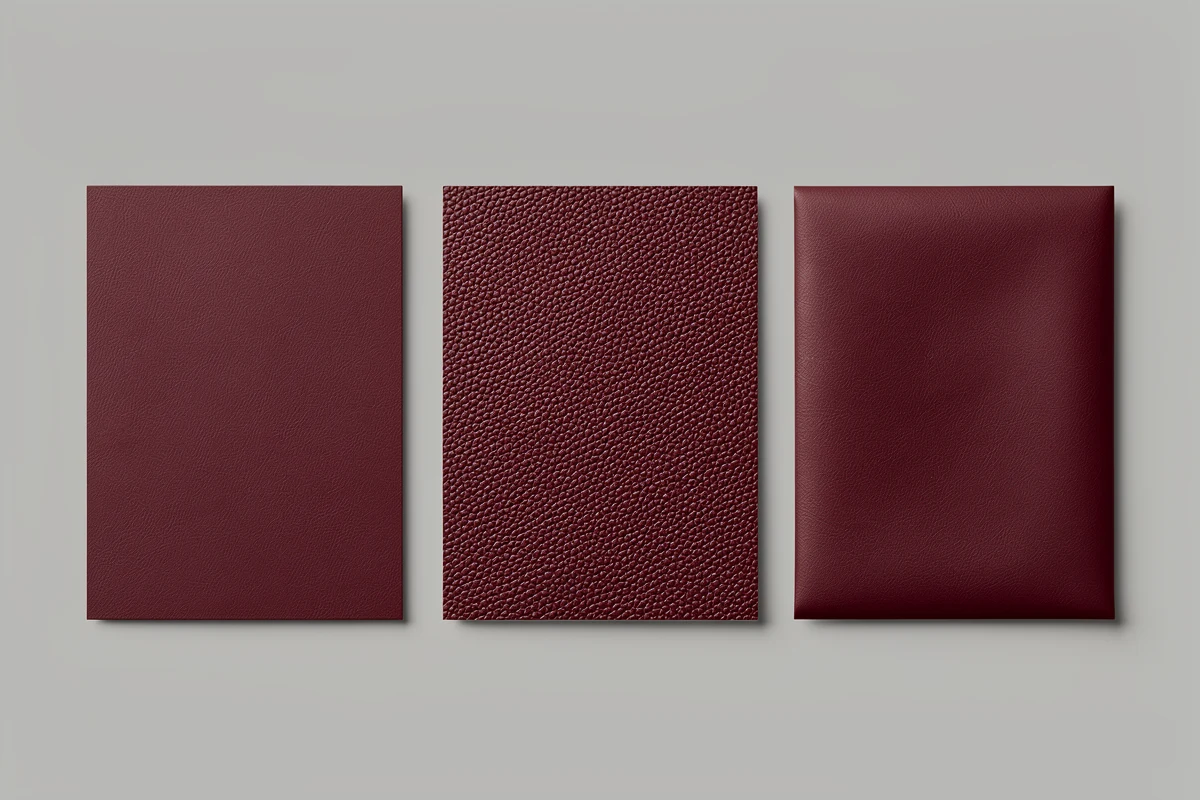
Ask for the proposed material reference alongside the swatch. A smooth sample should not silently approve a pebbled version, and a matte finish should not silently approve a glossy alternative. The purchasing requirement is the combination of color, texture and finish that the customer will receive.
Compare the samples together in the agreed viewing conditions. Keep the background and lighting consistent, and avoid judging one sample from a phone photograph while looking at another in person. Record the conditions used if color acceptance is important to the order.
The finished item may be seen in more than one setting. It can be useful to review the proposed sample in the intended workplace or display environment as an additional practical check. If the decision changes between settings, describe that observation and agree how to resolve it before approval.
Do not invent a universal numerical color tolerance. If instrument-based acceptance is required, ask the relevant specialist and supplier to define the measurement method, conditions and limit together. A number without an agreed method does not make the requirement clearer.
Separate available shades from a custom color request
Ask whether the quotation is based on an available material color or a proposed custom color development. Neither description guarantees an exact match. What matters is which sample will be offered, what development work is included and how deviations will be handled.
For an available shade, obtain the actual reference rather than approving a generic color name. If it is only an approximate alternative, present it to the customer as such. Do not rename the closest stock shade as the brand’s exact color to simplify the order.
For a custom request, ask the supplier to confirm feasibility, sampling scope, quantity conditions and timing for that material. Keep these as order-specific questions. A previous color order or a different material does not establish the same terms for the new request.
When a proposed shade is unsuitable, give a focused response: identify the reference, sample and component in question. “Sample B is not approved against the supplied body-color reference” is more actionable than “the whole thing looks wrong.” Where possible, return to the physical comparison rather than editing a photograph to show the desired change.
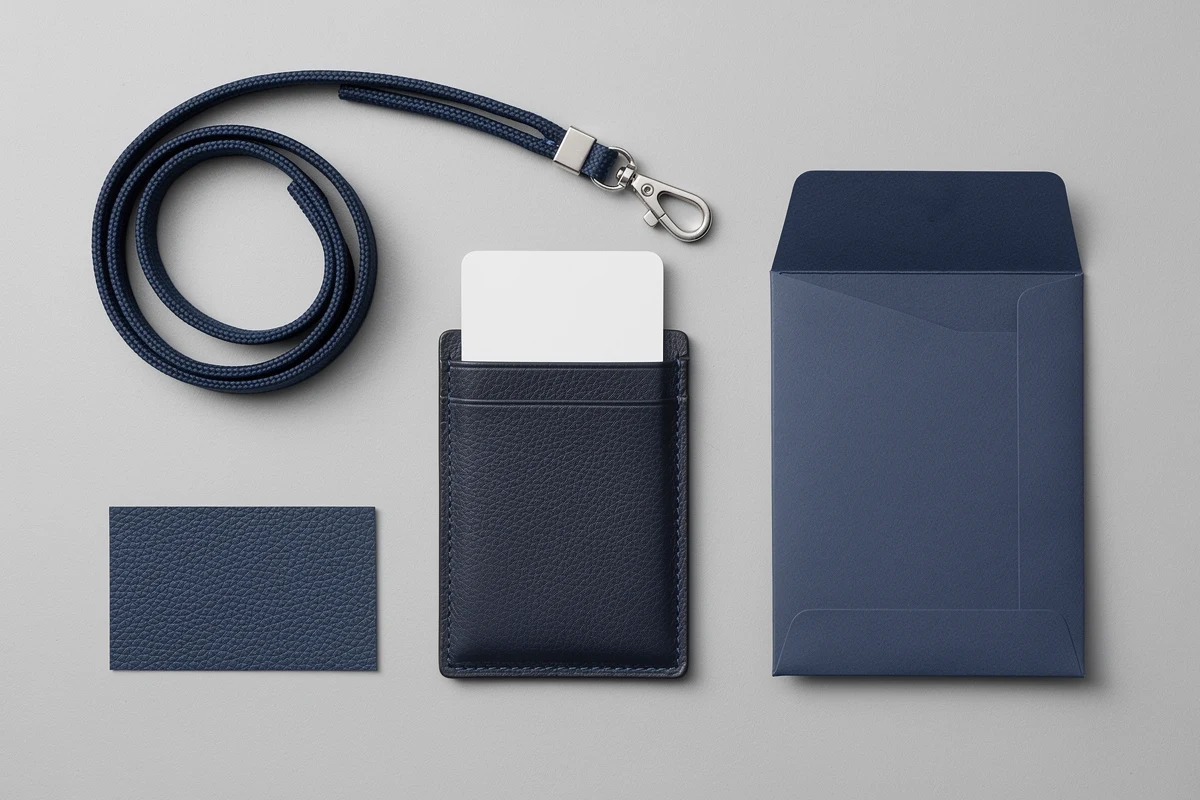
Approve the complete set without assuming identical surfaces
If the order includes a lanyard, printed logo or gift pack, review those components with the holder. Decide whether the requirement is a coordinated appearance or a closer match that needs separate evaluation. The same color name on different components is not enough to establish acceptance.
Use a finished, decorated sample where practical. Review the logo against the body, the thread along the border and the edge finish from the normal viewing position. A loose swatch cannot show every relationship on the assembled item.
For multiple colorways, create a small approval table with one row per combination. Identify the body, thread, logo finish and accessory for each. Approving a navy sample should not silently approve a green version with different decoration contrast.
Keep any unapproved combinations visible in the record. If only two of three variants have been accepted, say so explicitly rather than marking the entire order “color approved.”
Preserve a reference that can be used again
Once the customer accepts the result, give the approved sample a unique reference and record the approval date. Retain agreed reference samples with the relevant parties where practical. Document which sample controls the order if several development versions remain in circulation.
For later orders, compare a current sample with the retained reference instead of relying only on the old color name. If the material, finish or supplier-proposed alternative changes, request a fresh review. This does not mean every reorder needs a complete redesign; it means changes affecting the approved appearance should be visible before production approval.
An order-ready color record should include:
- The controlling color reference and its full identification.
- The material and surface finish used for approval.
- The components covered by the decision.
- The finished sample identifier and artwork revision.
- The viewing or measurement conditions agreed for acceptance.
- Approved variants, exceptions and unresolved alternatives.
- Who approved the result and when.
This is a suggested buyer-side record, not a claim about a factory’s existing quality system. Confirm with the supplier how the agreed references will be used for the actual order.
FAQ
Is a screenshot enough for leather card holder color matching?
A screenshot can communicate an initial preference, but it should not be treated as a calibrated physical color standard. Where color is important, agree on a physical reference and review a sample of the actual material and finish.
What should I provide with a Pantone color request?
Provide the complete designation, including the system and suffix, and identify the component it applies to. Ask the supplier to assess the proposed material against the agreed reference rather than assuming the code guarantees the finished result.
Does approving a body swatch also approve the logo and stitching?
No. Identify which components the approval covers. Review the thread, edge finish and decoration separately or together on a finished sample before accepting the complete combination.
Should a holder and lanyard use the same color reference?
They can share a target, but the buyer should decide whether the requirement is a coordinated appearance or a closer match requiring separate assessment. Review the actual components together instead of relying only on their color names.
What should be kept for repeat color orders?
Keep the approved physical reference where practical, along with its identifier, material, finish, component list and approval record. Request a fresh review when a proposed change could affect the accepted appearance.
To discuss color options for your project, contact Xinchao with your reference, intended material, component list and order quantity.